The Ultimate Overview to Picking the Right Delivery Container for Your Demands
When it involves choosing the best delivery container, recognizing your certain needs is important. You'll want to think about factors like dimension, type, and product to assure you make the very best selection. From conventional sizes to specialized choices, there's a lot to explore. Plus, budgeting for both the container and any type of adjustments can make a large difference. Let's damage down the vital facets to aid you discover the perfect fit for your demands.
Understanding Delivery Container Sizes
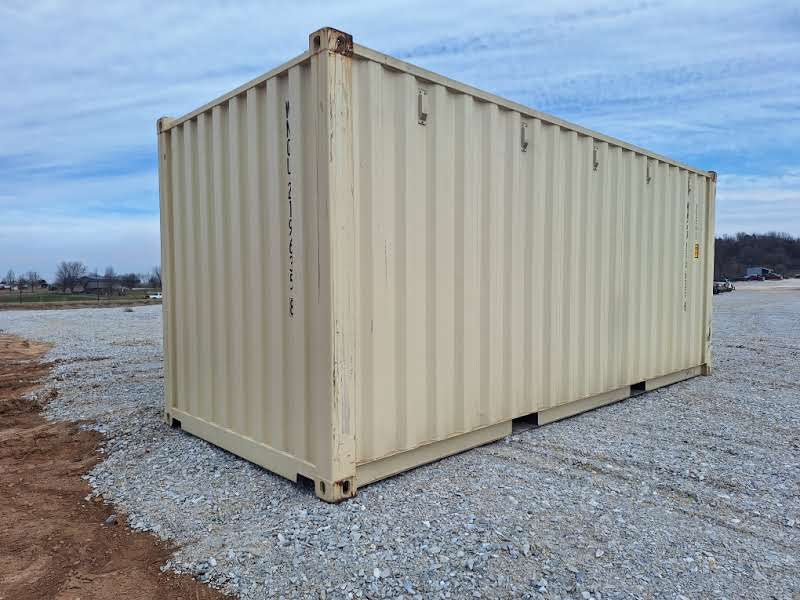
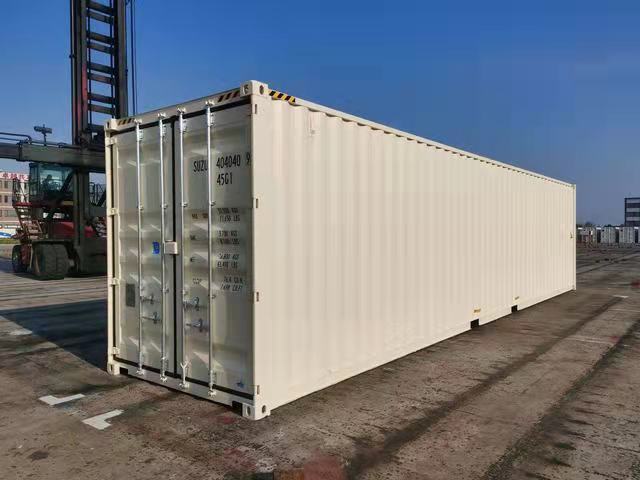
When you're selecting a delivery container, comprehending the various dimensions offered is vital for making the appropriate choice. Shipping containers commonly can be found in typical sizes of 20 and 40 feet, yet you'll also discover various other measurements. Knowing the size you need relies on what you prepare to shop or transport.If you're relocating smaller sized items, a 20-foot container may be suitable, while bigger shipments often call for a 40-foot container. Remember that the elevation can also differ; high cube containers use extra vertical room, which can be helpful for taller goods - Buy New Shipping Container 40' x 8' x 9’6".Before deciding, measure your cargo, and think about exactly how much room you'll need for packing and unloading. Constantly factor in prospective future requirements-- deciding for a slightly larger container might conserve you headache down the line. Inevitably, choosing the appropriate size will enhance efficiency and guarantee your things are secure during transit
Sorts Of Shipping Containers Available
There are a number of types of shipping containers available, each developed for specific functions and freight demands. The typical dry container is versatile, best for general cargo. If you're delivering subject to spoiling goods, consider a refrigerated container, which maintains a controlled temperature. For extra-large things, high cube containers provide added height, fitting taller loads.If you require to carry heavy machinery or equipment, flat rack containers provide a durable base without walls. Open-top containers enable for very easy loading of high freight, with a detachable tarp covering for protection. If you're seeking adaptability, take into consideration a collapsible container that can be conveniently stored when not in use.Lastly, specialized containers like storage tank containers are used for liquids, while vented containers are created for bulk cargo that needs ventilation. Recognizing your freight kind will assist you choose the right container to meet your delivery needs efficiently.
Material Considerations for Durability
When selecting a delivery container, the material plays a vital role in its longevity. You'll want to evaluate the benefits of steel versus light weight aluminum, specifically pertaining to rust resistance. Understanding these factors can aid you make an extra enlightened selection for your delivery needs.
Steel vs. Aluminum Containers
Just how do you choose in between steel and light weight aluminum containers for your delivery needs? Begin by taking into consideration durability. Steel containers are robust and deal excellent strength, making them perfect for hefty lots and extreme problems. They stand up to damages from impacts and are commonly much less expensive, which can be a significant factor for budget-conscious buyers.On the various other hand, light weight aluminum containers are light-weight, which can save you on delivery expenses. They're simpler to navigate and are a fantastic choice if you require to carry goods often. Aluminum is normally a lot more expensive and much less robust than steel. Evaluate your certain demands very carefully, consisting of weight, price, and the kind of freight you'll be delivery, to make the best choice for your scenario.
Corrosion Resistance Elements
Selecting the appropriate material does not just involve weight and price; rust resistance plays a considerable role in sturdiness. When selecting a shipping container, think about the setting it'll face. Steel containers, while solid, can rust if not properly dealt with. Search for alternatives with safety coverings or galvanization to boost their life expectancy. Aluminum, on the other hand, offers natural deterioration resistance, making it ideal for coastal locations or humid problems. It can be extra pricey. In addition, analyze the container's use-- if it'll be exposed to chemicals or extreme climate, prioritize products that can stand up to these problems. Buying a corrosion-resistant container currently can conserve you from pricey repair services or replacements down the line. Select sensibly for long-term benefits.
Alterations and Personalization Options
Delivering containers aren't simply for transporting products; they can be changed to fulfill your details demands with numerous adjustments and modification options. You can transform a standard container into a relaxing office, a short-lived retail store, or even a personal gym. The opportunities are virtually endless.Think about adding windows, insulation, or air flow to boost convenience. You could likewise consider electrical circuitry, plumbing, and even custom-made shelving to improve capability. If safety's an issue, enhanced locks can supply tranquility of mind.For aesthetic allure, you can repaint the container or add a distinct layout to make it stand out. Don't forget concerning flooring alternatives-- whether you could try these out you want long lasting plywood or something extra sophisticated, it can boost the space.Ultimately, tailoring your shipping container to fit your requirements can improve use and create an unique setting that mirrors your design.
Examining Your Transport Requirements
When it comes to using your customized delivery container, understanding your transport needs is vital. Begin by establishing what you'll be shipping-- whether it's hefty equipment, retail products, or personal products. Each sort of freight has different demands concerning dimension, weight, and accessibility.Next, consider the range and setting of transportation. Are you shipping locally, nationally, or worldwide? This affects the container's style and capability. If you're using vehicles, guarantee your container fits conventional dimensions for very easy loading and unloading.Additionally, think of transportation problems. Will your products need unique security from climate or temperature level fluctuations? If so, you may need insulation or ventilation attributes in your container.Lastly, evaluate exactly how typically you'll be transferring items. Frequent shipments may require an extra resilient and functional container to fulfill recurring demands. By dealing with these elements, you'll be well-prepared to select the right delivery container for your demands.
Budgeting for Your Delivery Container
Establishing a budget plan for your shipping container is necessary for making certain a smooth purchasing procedure. Initially, determine just how much you can manage to invest. Remember that rates can differ substantially based upon dimension, condition, and type. New containers typically cost extra, yet used ones can offer significant savings.Next, consider any kind of added expenses you may incur, such as transport charges, distribution costs, and alterations. If you prepare to tailor the container, consider those expenditures too. Research study different vendors to contrast costs and find the best bargain that meets your needs.Don' t forget to consist of any type of permits or policies that may relate to your acquisition and use of the container. By clearly describing your budget, you'll be much better prepared to make educated choices, ensuring you obtain the right container without breaking the bank.
Maintenance and Take Care Of Long life
To assure your shipping container lasts for several years, regular maintenance is crucial. Start by evaluating the outside for corrosion, damages, and damage. If Discover More Here you find any type of issues, address them instantly to avoid additional damage. Tidy the container regularly, both in and out, to eliminate dirt, debris, and dampness that can cause corrosion.Ensure the doors seal appropriately and lubricate the hinges to prevent rust and sticking. If you're utilizing the container for storage space, think about adding air flow to minimize humidity and browse this site mold and mildew growth. For additional protection, apply a rust-inhibiting paint or sealer annually.If your container's located in a severe setting, like coastal areas, you may need to raise maintenance frequency. Watch on the flooring, as well; any signs of wear ought to be repaired immediately. With these straightforward actions, you'll expand the life of your shipping container substantially.
Often Asked Questions
Exactly how Do I Locate a Reputable Shipping Container Distributor?
To find a dependable delivery container provider, start by investigating on the internet testimonials, asking for referrals from friends or market calls, and comparing costs. Always examine their credentials and assurance they use quality containers that satisfy your demands.
Can I Rental Fee a Shipping Container Rather of Buying?
Yes, you can definitely rent a delivery container rather of acquiring one. Several distributors use rental options, which can conserve you money and give adaptability if you just require it for a brief period.
What Allows Are Required for Container Positioning?

Are Delivery Containers Weatherproof and Suitable for Outdoor Storage Space?
Yes, shipping containers are generally weatherproof, made to hold up against extreme conditions. Their durable building and construction maintains your things secure and dry, making them appropriate for outside storage. Just assure correct air flow to stop wetness buildup inside.
How Do I Transfer a Shipping Container When Acquired?